
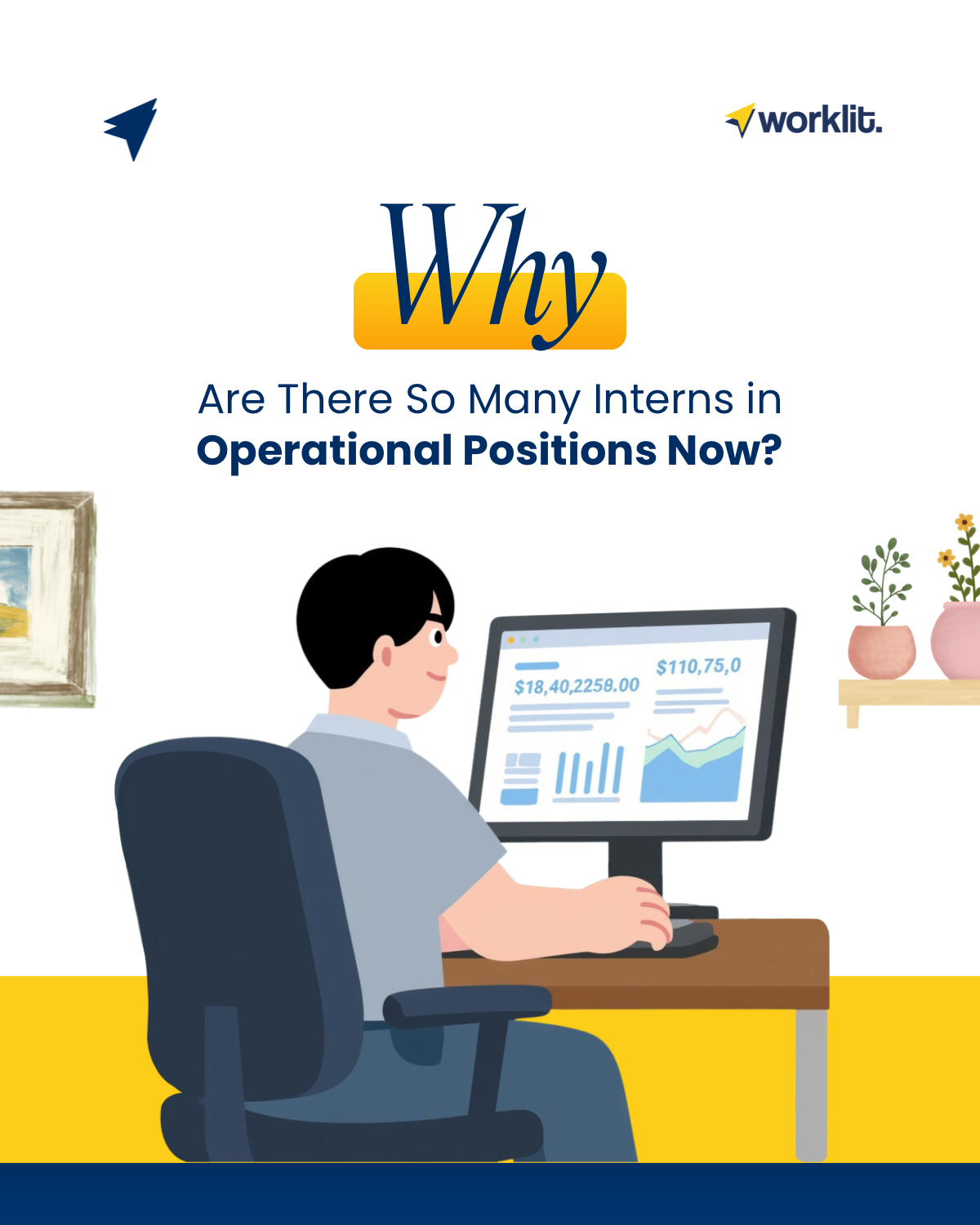
In this dire job market situation, internship programs are one solution for companies looking to reduce operational costs. Of course, it’s not easy for companies to stay afloat, but internship programs can disrupt the job market itself. Who would have thought that operational positions like warehouse admin, cleaning service, and logistics staff would now participate in this mushrooming internship phenomenon? Previously, operational positions were directly contracted, given the minimum wage and lack of specialized educational background. But now, many positions sought after by high school graduates are labeled “internship.” Why is that? An internship is defined in Article 1, number 11 of Law Number 13 of 2003 concerning Manpower (“Manpower Law”) as: “A part of a job training system that integrates training at a training institution with direct work under the guidance and supervision of an instructor or more experienced worker/laborer, in the production process of goods and/or services in a company, in order to master certain skills or expertise.” In reality, many operational positions are started directly without the guidance and supervision of instructors or more experienced workers, given that operational jobs like cleaning services involve intensive physical labor (95% internship/OJT). Cleaning services themselves are not just about “cleaning”; they have industry standards and SOPs. However, if internship status is used to replace permanent workers at lower wages, this can be problematic. Even if certification is promised too, professionalization must also be accompanied by protection. So… what do you think? Is this a form of mentoring or cost-saving?
How Many Years of Career Is Slow Living Suitable? Here’s a Realistic Answer
Many people think slow living is a lifestyle suitable for those who have worked for 10 years or more. The reason is simple: they’re tired, established, and want a more peaceful life. Have you ever considered waiting five to ten years to start your career? The answer is, it depends. Here are the things you should know if you want to start slow living. Many say slow living is suitable for those who have worked in an office for years with a salary that is commensurate with their financial needs. They have a point. Employees who have worked in an office for more than 10 years are certainly established. They understand their career path, manage their time, and balance work and life more maturely. They have certainly overcome many obstacles in their careers, whether it’s being laid off or being offered a promotion to a managerial position that they may have turned down because they didn’t want to ruin their mental health, burn out, or the potential for overwork. But in reality, slow living isn’t about how long you work. Slow living is about consciously managing your life and career rhythm. In fact, in today’s hustle culture, slow living can be relevant from the start of your career. According to karier.bisnisindonesia.id, career advancement or promotions were the primary reason for leaving their jobs for 25% of respondents in Indonesia. Work-life balance or company culture were the second most common reasons for leaving, cited by 19% of respondents. Slow living is suitable at any time, as long as you realize that your pace of life needs to be regulated. What makes people feel like slow living “will be suitable later” could be social pressure to constantly improve, or perhaps FOMO, or a work culture that glorifies hustle culture. In fact, the sooner you realize this, the lower the risk of long-term burnout. Because ultimately, a career is a marathon, not a sprint. So what do you think?
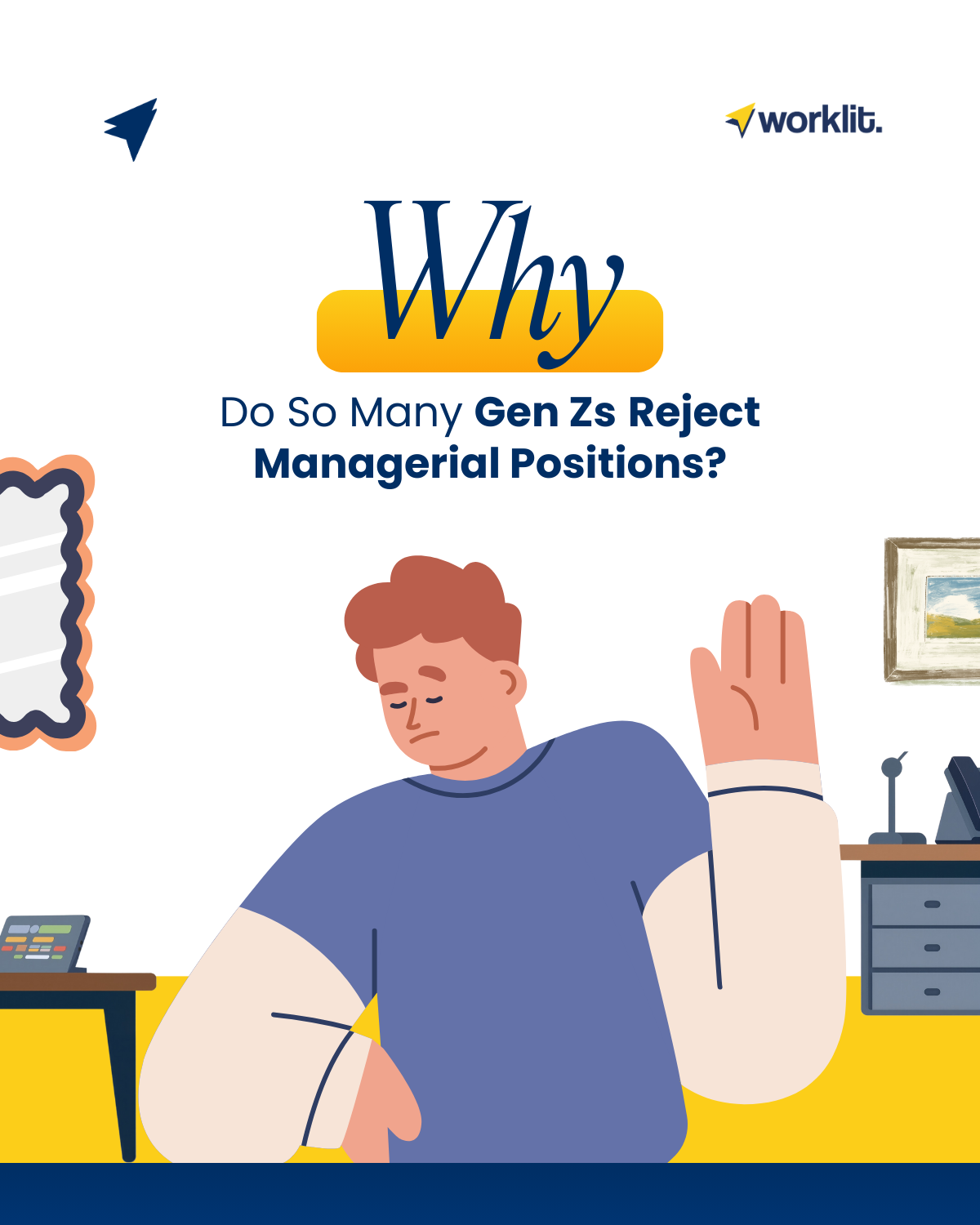
Why Do So Many Gen Zs Reject Managerial Positions?
It almost feels like Gen Z is taking the “suddenly become important at work” meme a little too seriously… But in reality, instead of focusing on personal growth, leadership development, and people management skills that supposedly come with a promotion, many of them are asking a more basic question: is becoming a manager actually worth it? Being a manager means being ready to face risks, pressure from the top, challenges from the team below, and long working hours. And if Gen Z checks thousands of online reviews before buying something, how could they not carefully evaluate a major career decision? According to a study by global talent solutions firm Robert Walters, more than half (around 52%) of Gen Z professionals in the UK do not want to become middle managers. In fact, nearly 72% would rather pursue an individual contributor career path than take on the responsibility of “managing” others. As a generation that believes if you can’t give your best, it’s better not to do it at all, Gen Z simply doesn’t have the time or energy for prolonged stress just from managing people. Gen Z grew up in a time where they experienced the best moments of being a child, but the worst time to become an adult. Job opportunities are hard to come by, internships are often exploited as a source of cheap labor, and burnout and overwork cultures are heavily normalized. Naturally, they also reflect on the experiences of previous generations. At its core, Gen Z holds this principle: Ambition is not the same as job titles. It’s about skills, impact, and flexibility in achieving what truly matters. Gen Z is rejecting unhealthy structures, not leadership itself. And if managerial positions are increasingly avoided, perhaps what needs to be evaluated is not the employees, but the career system behind them.
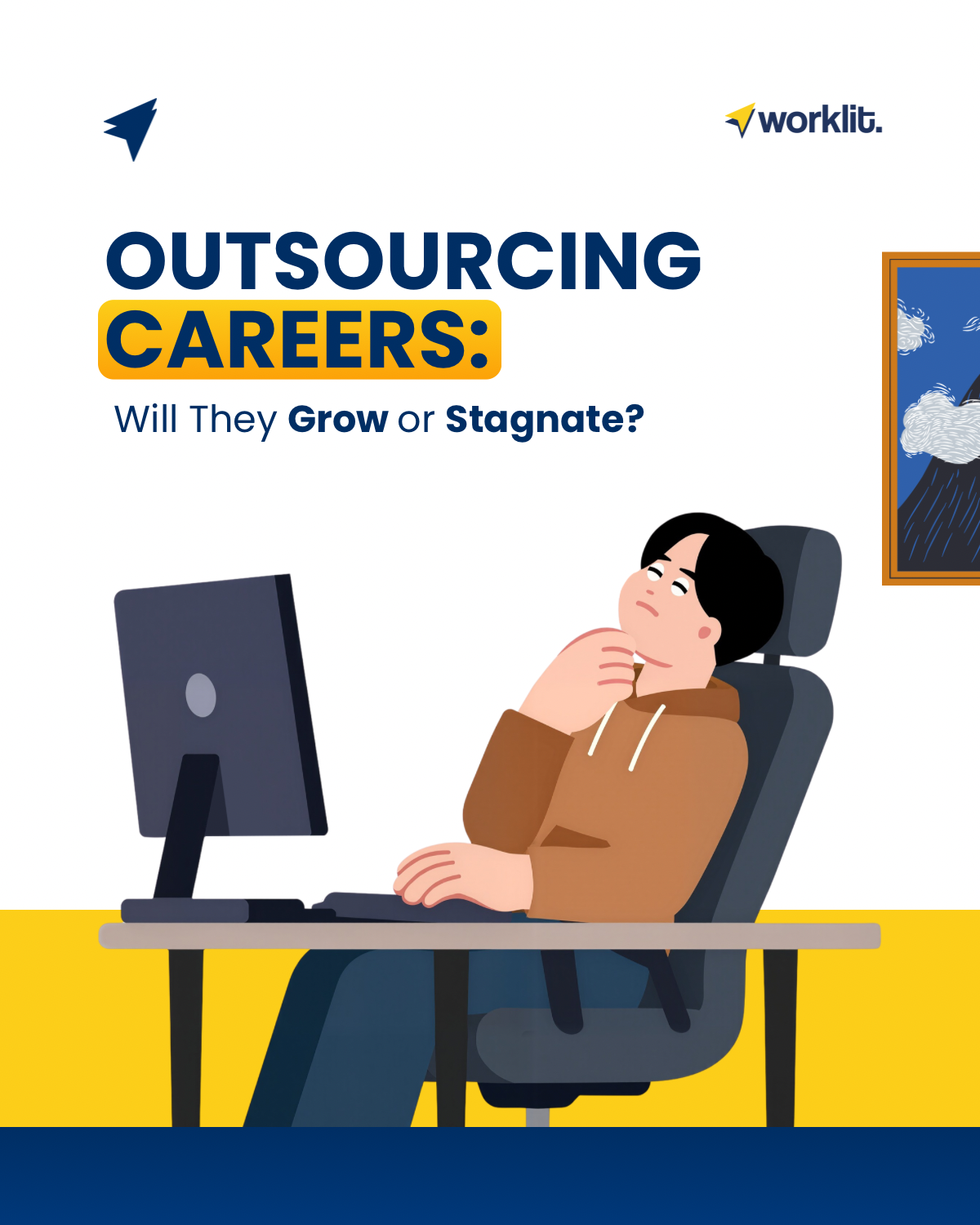
Outsourcing Careers: Will They Grow or Stagnate?
One of the considerations for job seekers is building a career through the outsourcing route. But why do so many people doubt this path? Is it because official recruitment channels at companies are too difficult to break into? Or because, in certain situations, it becomes a choice that must be taken? Before going further, what exactly is outsourcing? According to Investopedia, outsourcing is a business practice that involves hiring external workers. These workers perform tasks that are typically handled by a company’s internal employees. In essence, outsourcing is often the result of companies seeking to reduce operational costs. So why is it considered risky in terms of career stagnation? Because cost-cutting is the main objective, outsourced workers often do not receive proper mentoring or exposure. They tend to perform repetitive tasks without gaining new skills, while holding contract-based positions that are extended without thorough evaluation. Sounds tough, doesn’t it? In reality, many people today are still working as outsourced employees. Based on data from Indonesia’s Central Statistics Agency (BPS) in 2023, around 34% of the total formal workforce in Indonesia works under contract and outsourcing systems. This shows just how many companies rely on cost-cutting strategies. This reality may be unavoidable, but being an outsourced worker does not mean your career has no future. Start defining your strategy. Treat outsourcing as a phase, not the final destination of your career. Set clear career targets for the next 1–3 years. Build strong personal branding and a solid work track record. Expand your network and seek cross-project experience that can support your career growth after the outsourcing phase. Outsourcing is not what determines your career future, but how you navigate does.

Agile: The Mindset and Skills Companies Are Looking For Right Now
The world of work is sure are changing rapidly from technology, systems, exceed expectations, including us who increasingly believe we deserve what we get in the professional world. We are required to be able to do everything, this can be seen from companies that open entry-level vacancies, but must have at least one year of experience. The world of work is increasingly competitive, and old ways of working are also increasingly difficult to sustain. That’s why having agile skills and mindset is very beneficial. What is agile mindset? According to atlassian.com, agile mindset is a thought process that involves understanding, collaborating, learning, and staying flexible to achieve high-performing results. The agile mindset is the perfect approach to these turbulent and challenging environments as it teaches how to embrace change, rather than continuously avoid it as studies show that 60-80% of project failures can be directly attributed to poor requirements gathering, analysis, and change management. Why is the agile mindset and skills needed by the companies most? Companies often face constant change, from leadership transitioning, change of bussiness direction, change of workplace culture, with the help of agile skills and mindset, teams can be more positive in responding to that. So what are the skills that can make you agile? You are open and fast enough to adapt to a new work environment, you are always there to help and be a problem solver when the company is facing a problem. You love to give feedbacks and can do a cross-team collaboration. Surely to pack it up all that you have a strong communication skill and always eager to learn more. Companies need people who are ready to change. In today’s fast-changing work world, how agile are you today?
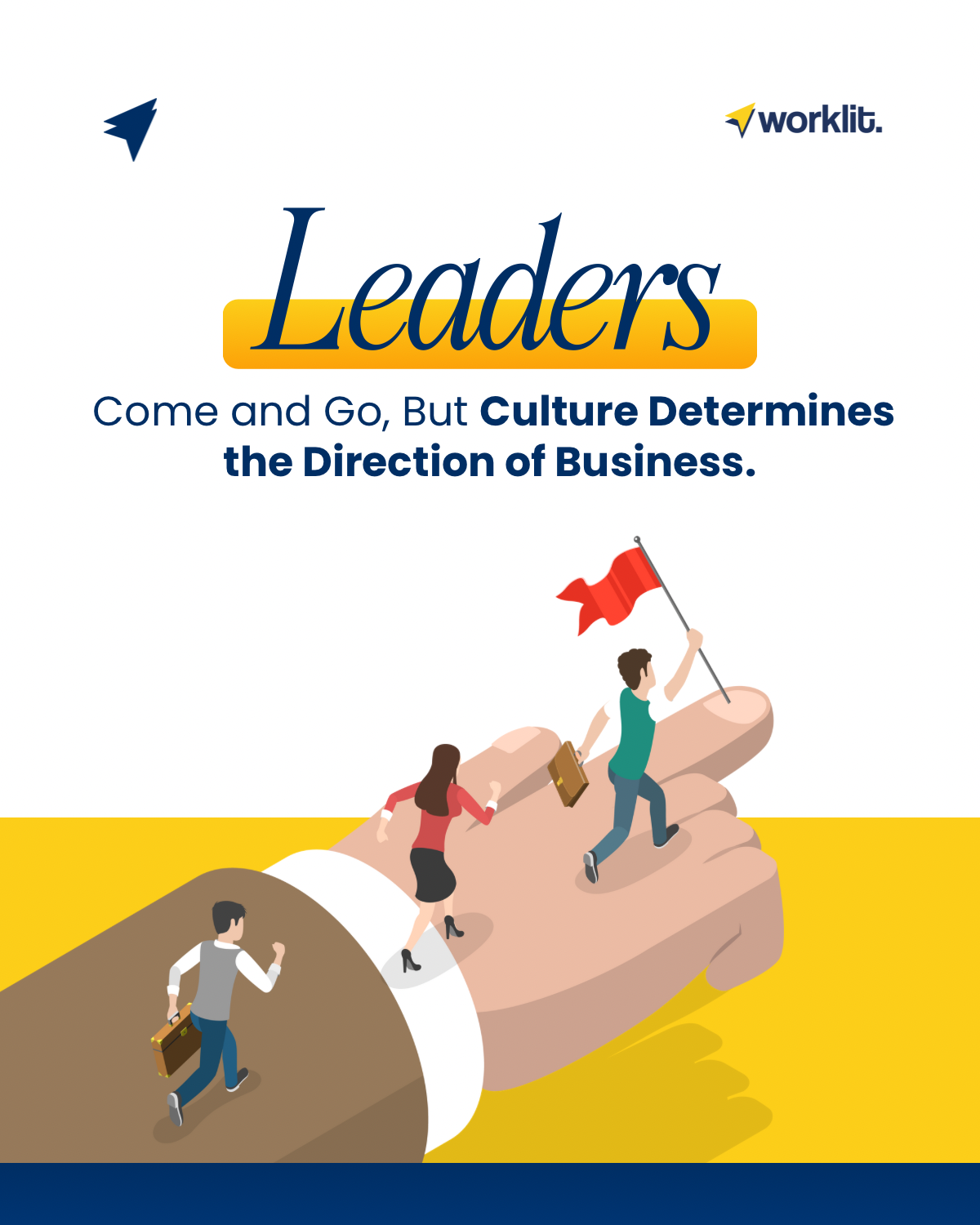
Leaders Come and Go, But Culture Determines the Direction of Business
Have you ever known a business that has continued to run for years and never lost its uniqueness in the business world? Do you know what makes them survive in the business world? If you look closer, one of the keys to success and strategy is not about the profits they get, but the company culture that is reflected from the outside. Many businesses fail not because they run out of strategy, but because they lose direction. And that direction is determined by culture. Have you ever been in a position where you saw the difference between your previous leader and your current one? Truth is changing CEOs, directors, or managers is normal but the risks of a business becoming overly reliant on a single figure. This is why leadership transitions are crucial moments. Based on data from the Pew Research Center, 57% of workers decide to resign because they feel unappreciated at work. A culture that is no longer the same as that applied in the workplace can make employees feel unappreciated. They need compass in every transition, including in changing bussiness direction. So how do you maintain the culture? All values are clear and need to be understood by the employees that way their daily behavior is aligned with the company’s vision. So if there’s a leadership transition, the culture doesn’t depend on that one person. A leader doesn’t just lead, but maintain culture. A strong leadership strengthens culture, not replaces it. Leaders may change, but culture can help the business stay alive and the direction of the business should not be shaken.

