It almost feels like every annual performance review today is just a rigid checklist of what an employee did wrong over the past year.
But in reality, instead of focusing on pointing out mistakes or offering vague compliments, many leaders are realizing a harsh truth. The traditional way of delivering criticism might actually be the biggest barrier to improving employee performance.
Highlighting errors is easy if you only want to focus on the past. However, when a team is facing high-pressure deadlines, shifting business goals, or complex projects, relying only on harsh criticism or the outdated “compliment sandwich” can leave your team confused. If expectations remain unclear, how can an employee grow without actionable guidance?
According to global workplace reports by Gallup and the Harvard Business Review, consistent and constructive feedback ranks among the top drivers of employee engagement and productivity. It is no longer just a mandatory HR formality. It is a continuous, real-time conversation about professional growth.
To move away from rigid checklists and actually drive growth, highly effective managers do not panic or resort to micromanagement when performance drops. They simply communicate better by applying these core strategies:
1. Focus on Specific Behaviors, Not Personalities Saying “you are careless” creates defensiveness and damages morale. Saying “I noticed the last three reports had data errors” addresses the issue objectively. Poor feedback teaches an employee to hide their mistakes, but specific performance management teaches them how to solve problems.
2. Make It Timely and Continuous Do not wait for an annual review to discuss a problem that happened six months ago. The most effective employee feedback is given close to the event, ensuring the context is fresh and the opportunity for immediate improvement is available.
3. Always Offer Actionable Solutions Criticism without a clear path forward is just complaining. When pointing out an area for improvement, always collaborate on the next steps. Actionable feedback bridges the gap between where an employee is right now and where they need to be.
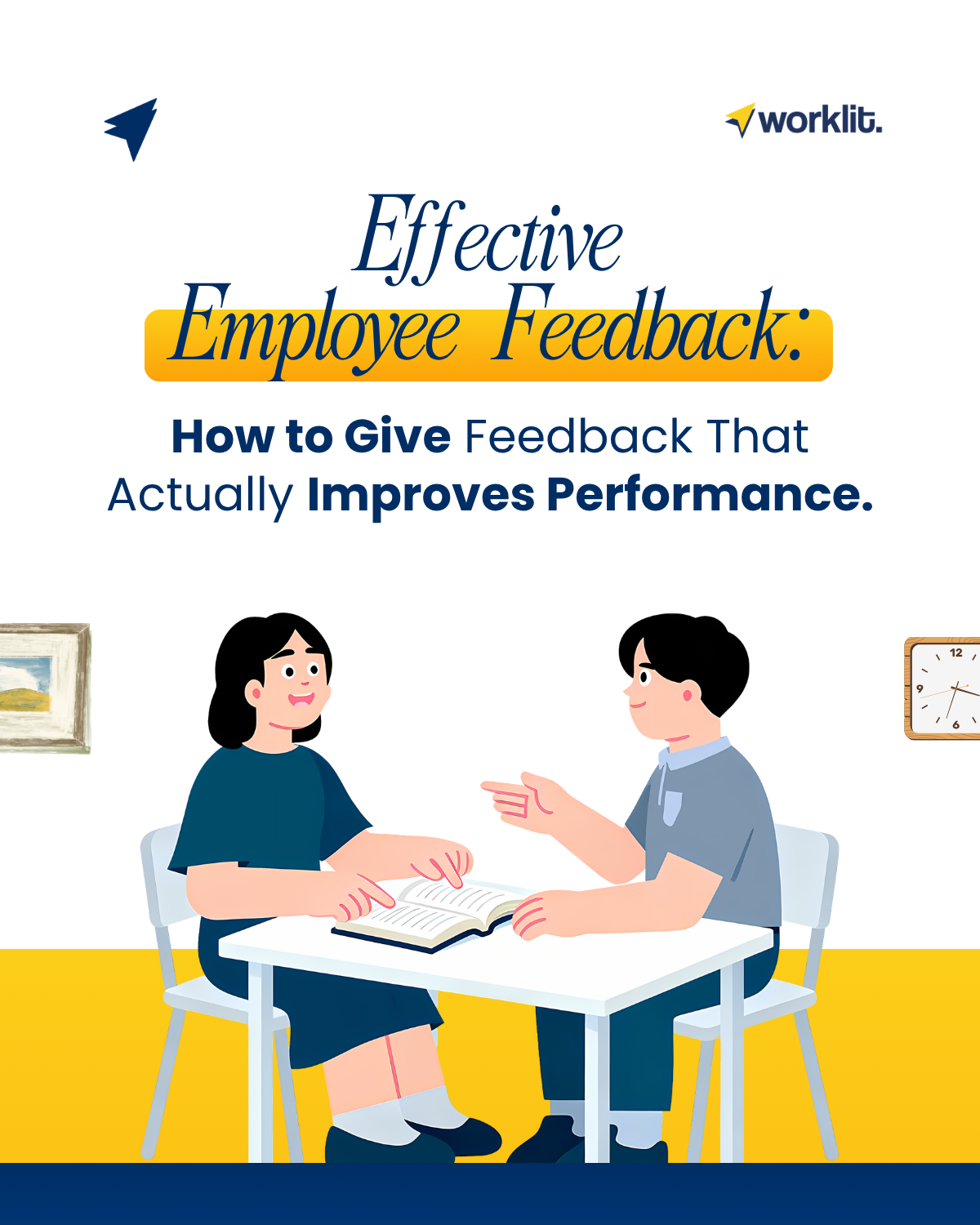
4. Turn It Into a Two-Way Conversation Great leaders ask questions before giving directives. By asking, “What challenges did you face with this task?” you open the door for empathy and uncover root causes rather than just treating symptoms.
At its core, the modern workplace holds this principle:
Criticism might point out the problem on paper, but actionable feedback builds the solution and long-term trust.
It is about clarity, empathy, and aligning individual career growth with company goals.
Valuing constructive feedback is rejecting a culture of blame, not lowering professional standards. And if companies are increasingly looking to build high-performing teams, perhaps what needs to be evaluated is not just the employee’s output, but how well a company empowers its leaders to deliver the feedback needed to achieve it.