It almost feels like every job posting today demands a ten-page list of specific software skills and years of strict technical experience.
But in reality, instead of focusing on mastering one specific tool or coding language, many professionals are realizing a harsh truth. The technical skills you learn today might be completely outdated in just a few years.
Being heavily specialized means you are great at one thing. However, when a company upgrades its systems, shifts its business strategy, or adopts a new AI tool, relying only on old technical knowledge can leave you behind. If the market changes overnight, how can a rigid expert survive without the ability to pivot?
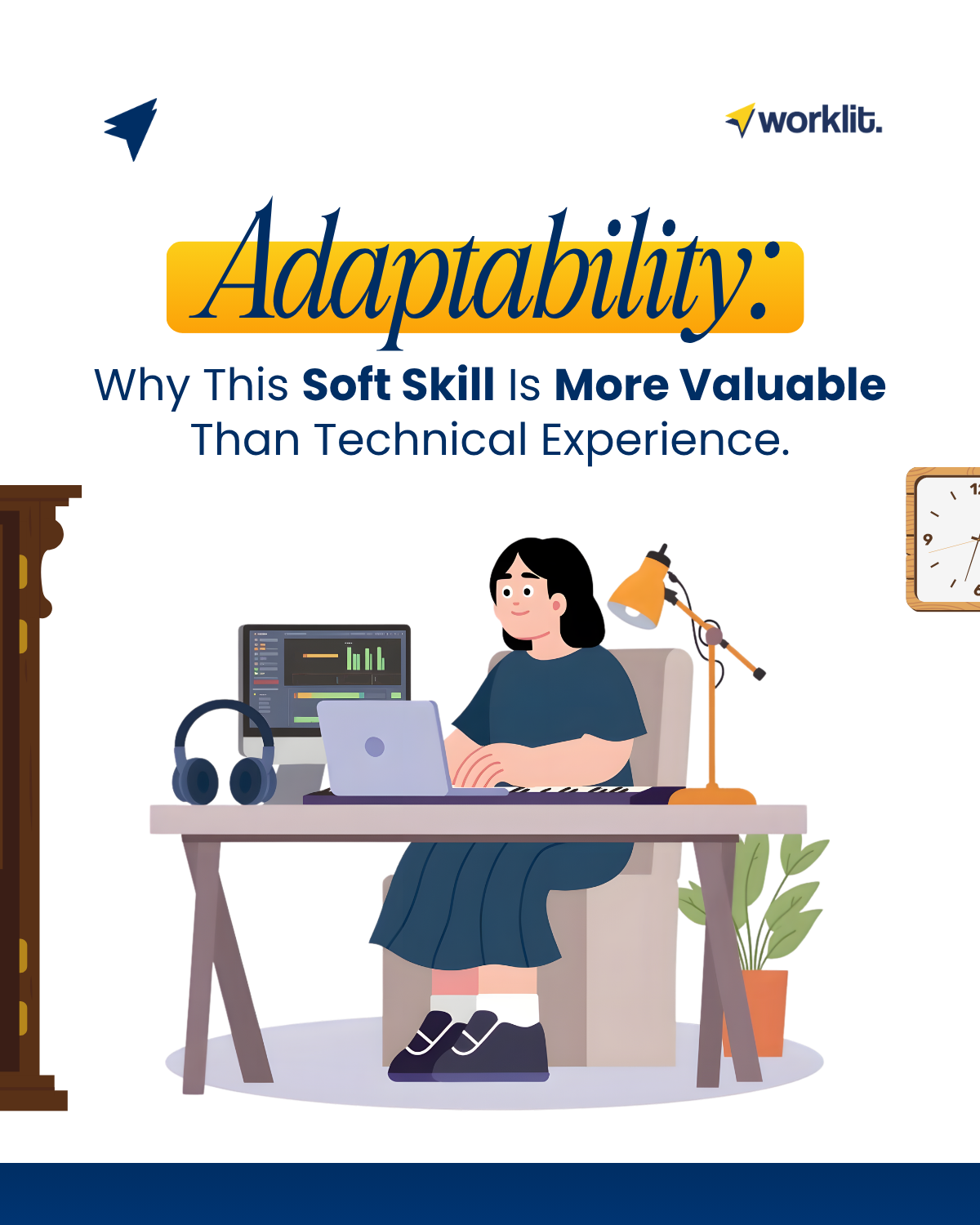
According to reports by the World Economic Forum, adaptability consistently ranks among the most critical skills needed for the future of work. It is no longer just about what you know right now. It is about how fast you can learn what you do not know yet.
As modern professionals navigating constant software updates and shifting industry trends, highly adaptable people do not panic when the rules change. They simply figure it out. They know that technical skills teach you how to follow an established process, but adaptability teaches you what to do when that process breaks down.
At its core, the modern workplace holds this principle:
Your current skills might get you the interview, but your adaptability builds your career.
It is about flexibility, quick problem-solving, and staying calm when handling unexpected challenges.
Valuing adaptability is rejecting rigid mindsets, not technical expertise itself. And if companies are increasingly looking for future leaders, perhaps what needs to be evaluated is not just a perfect technical resume, but how well someone adapts to change.